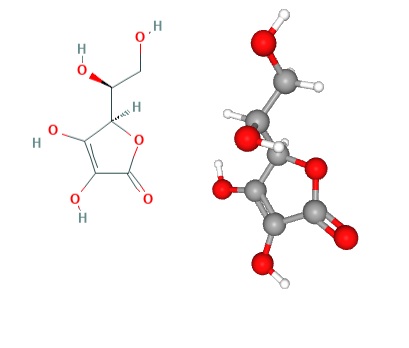
Vitamin C
Functions of Vitamin C:
- Synthesis of Collagen - important for hyroxylation of lysine
and
proline in precollagen
- hydroxylation sites are anchors for cross-linking or
tropocollagen
- Neurotransmitter metabolism - conversion/ hydroxylation of
- Dopamine -->
norepinephrine
- Tryptophan --> serotonin
- Tyrosine --> Homogentisic acid
- Aids in fibroblast (connective tissue) and osteoblast (bone)
formation and function
- Cholesterol metabolism - conversion of cholesterol to steroid
hormones and bile acids
- Biosynthesis of Carnitine
- Maintains reduced states of Iron and Copper atoms for use in
Cofactors of Metalloenzymes
- Antioxidant (electron donor)
- Regenerates Vit E and reduces oxidation of low-density
lipoprotein
- Prevents nitrosylation: inhibits amides form combining with
nitrites present in food preservatives
- Nitrosamines and nitrosamides are carcinogens implicated in
stomach cancer
- Redox (oxidation-reduction) reactions
- Enhances:
- Non-heme Iron absorption
- Reduces non-heme (+3) iron to ferrous (+2) iron for
reabsorption in the duodenum ("2 into the DUOdenum")
- Transfer of Iron from transferrin to ferritin
- Formation of tetrahydrofolic acid
- Keeps tetrahydrofolate (FH4) in its reduced form
Dietary Needs
- Humans cannot make vitamin C, need to get it from dietary
sources
- Requirements are increased in infection and diarrheal illness,
smoke exposure
-
Age
|
Adequate
Intake
|
0-6mo
|
40mg
|
6-12mo
|
50mg
|
1-3yr
|
15mg
|
4-8yr
|
25mg
|
9-13yr
|
45mg
|
14-18yr
|
75mg
|
Pregnancy
|
85mg
|
Lactation
|
120mg
|
Dietary Sources (note: Vitamin C is easily destroyed by
prolonged
storage, overcooking, and food processing)
- Citrus fruits
- Peppers
- Berries
- Melons
- Guava
- Kiwi
- Tomatoes
- Cauliflower
- Green Leafy Vegetables
- Breast milk, Infant formula is supplemented with adequate
Vitamin
C
- TPN:
- 80mg/day - Term Infants
- 25mg/kg/day - Preterm Infants
Physiology
- Absorption of Vitamin C occurs in the upper small intestine -
predominantly Ileum
- Saturable, Na-ATP dependent (active process and simple
diffusion with large quantities) and is
taken up by all tissues with the highest levels found in the
pituitary
and adrenal glands
- Vitamin C is not stored in the body but retains an active pool
of 1.2-2g that is used at a rate of 3-5% per day in adults
Deficiency
- Scurvy
- Etiology
- Diets deficient in Vitamin
C
- Defective formation of Connective Tissues (skin,
cartilage,
dentine, bone, and blood vessels)
- In long bones, osteoid is not deposited by osteoblasts,
cortex
is thin
- Clinical Features:
- Corkscrew hairs
- Impacted hair follicles
- Poor Wound Healing (also seen with Cu deficiency)
- Swollen, bleeding gums
- Rosary at the costochondral junction and depression at the
sternum
- angulation of the scorbutic beads sharper than that of
rachitic rosary
- Gum Changes in children with erupted teeth
- bluish purple
- spongy swellings of the mucous membrane esp at upper
incisors
- Anemia - due to
impaired iron absoprtion, B12, and folate
- Bruising/Bleeding
- Petechiae, purpura, ecchymoses at pressure points (saddle
ecchymosis), epistaxis,
gum bleeding and characteristic perifollicular
hemorrhages
- Hyperkeratosis of hair follicles
- Arthralgia
- Muscle weakness
- Loosened teeth, poor dentition, loss of teeth
- Ridges on surface of teeth
- Glossitis
- Irritability
- Loss of appetite
- Fever
- MSK pain
- Tenderness in the legs, Gastrocnemius tear
- Leg swelling - knees and ankles
- Pseudoparalysis
- Dx
- Diagnosis is usually clinical - just give them Vit C and
see if symptoms resolve
- high suspicion in restrictive diet or Autism or other
developmental d/o with difficulty walking or with bone
pain
- Plasma ascorbate concentration of < 0.2 mg/dL
indicates
deficiency (not typically necessary)
- Leukocyte concentration of Vit C <10microgram/10^8 WBCs
suggest inadequate body stores
- Urine ascorbic acid saturation test
- Rumpel-Leede Test (tourniquet test for capillary
fragility)
- in healthy children 80% of a test dose of vitamin C is
excreted within 3-5hrs after parenteral administration
- Xray findings:
- Distal ends of long bones particularly at the knees
- ground glass appearance due to trabecular atrophy
- cortex is thin and dense - pencil outlining of diaphysis
and epiphysis
- White line of Frankel
- thickened white line at
metaphysis (well calcified cartilage)
- Trummerfield
Zone: a zone of rarefaction under the white
line of Frankel
is a
linear break in the
bone that is proximal and parallel to the white line.
The zone
represents an area of debris of broken down bone
trabeculae and
connective tissue.
- Pelkan Spur: lateral prolongation of the white line
and
may be present at cortical ends
- epiphyseal separation can occur along the line of
destruction with linear displacement or compression
of the epiphysis
against the shaft
- Subperiostial homorrhages are not visible on radiography
during the active phase of scurvy
- During healing the periosteum becomes calcified and
radiopaque
- Bone can appear as a dumbbell or club
- MRI can show acute and healing subperiosteal
hematomas,
perostitis, metaphyseal changes, and heterogeneous bone
marrow signal
intensity
- DDx
- Arthritis
- Osteomyeltis
- NonAccidental Trauma (NAT)
- Malignancy
- Acrodynia
- Copper Deficiency xrays can look like Vit C deficiency
(Scurvy)
- HSP
- TTP
- Leukemia
- Tx
- Vitamin C 100-200mg/day orally (previous text - Tx with 1g
daily in adults)
- Clinical improvement is seen within 1 week
- Continue treatment for 3 months
- Prevention
- Breastfeeding in infancy
- Ensure Vit C fortified formula, foods in diet
- Antenatal Vit C to smoking mothers may mitigate effects on
fetus
- Note: Smoking can also cause Vit C deficiency
- Smoking produces free radical species and Vit C gets used up
trying to reduce Vit E which is oxidized when neutralizing
these radicals
- Alcaptonuria-like syndrome (dark urine and blue/black
discoloration of cartilages, whites of eyes, and can develop
arthritis when older)
Vitamin C - Other Clinic Uses
- Tx for Scurvy
- Tx of Methhemoglobinemia
- Treating Wound Healing (Burns, Ulcers)
- Potential Oxytocin action
- High-doses
of vitamin C have also been used to treat alkaptonuria
because it hinders the accumulation and deposition of
homogentisic acid (possibly by funneling homogentisic acid
to maleylacetoacetic acid and the TCA cycle)
Vitamin C Toxicity
- Daily intake >2g can cause:
- GI upset, abd pain, osmotic diarrhea
- Hemolysis (Rare)
- Avoid excess vitamin C in patients with h/o urolithiasis or
conditions related to excessive Iron accumulation (thalassemia
or
hemochromatosis), patients receiving heparin or warfarin
- Metabolite of Vit C is Oxalic Acid (excess Vit C may cause
Calcium oxalate renal stones)
- In animal studies, excess Vit C can damage islet cells of
pancreas and lead to Diabetes
-
Age
|
Recommended
upper limit
|
1-3
year
|
400mg
|
4-8
years
|
650mg
|
9-13
years
|
1200mg
|
14-18
years
|
1800mg
|
Structure: